
Morocco Accelerates Its Green Transition: A Strategic Momentum for the BIOTECTURE Project
May 12, 2026
Urban Heat Islands in Morocco: Why Bioclimatic Design Is Becoming Essential Rising Temperatures and the Urban Heat Island Effect
June 30, 2026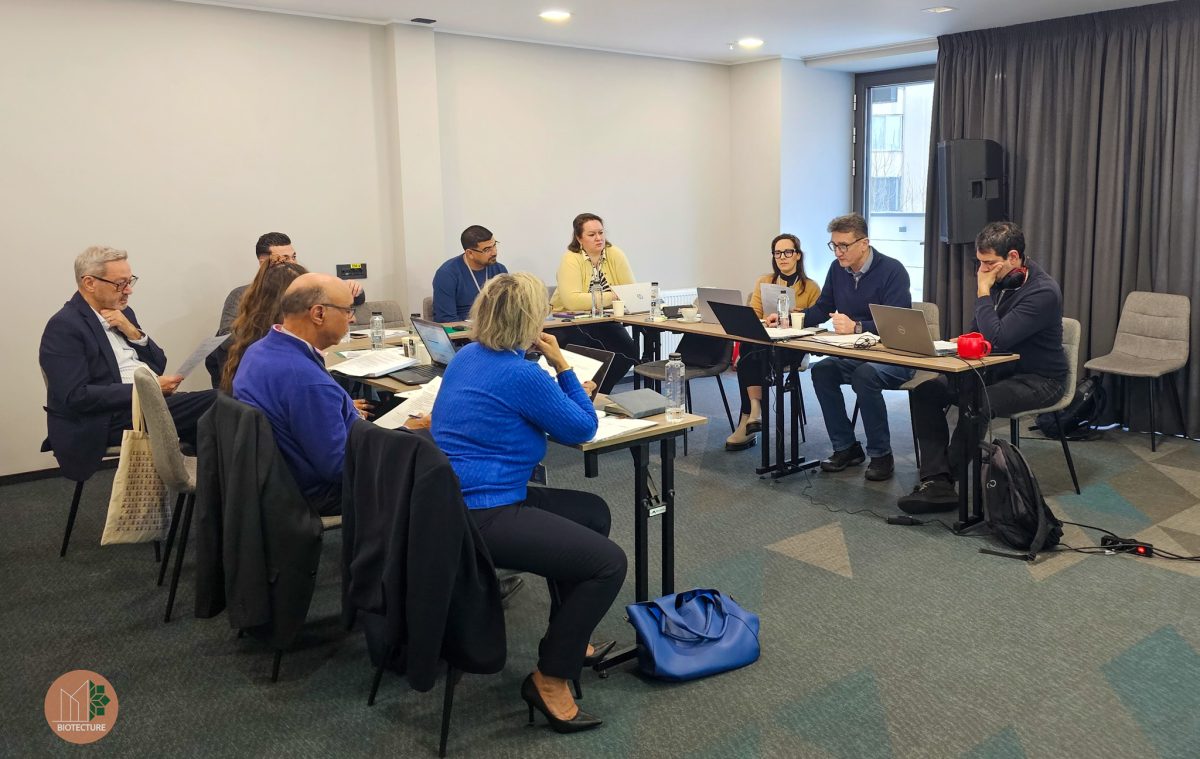
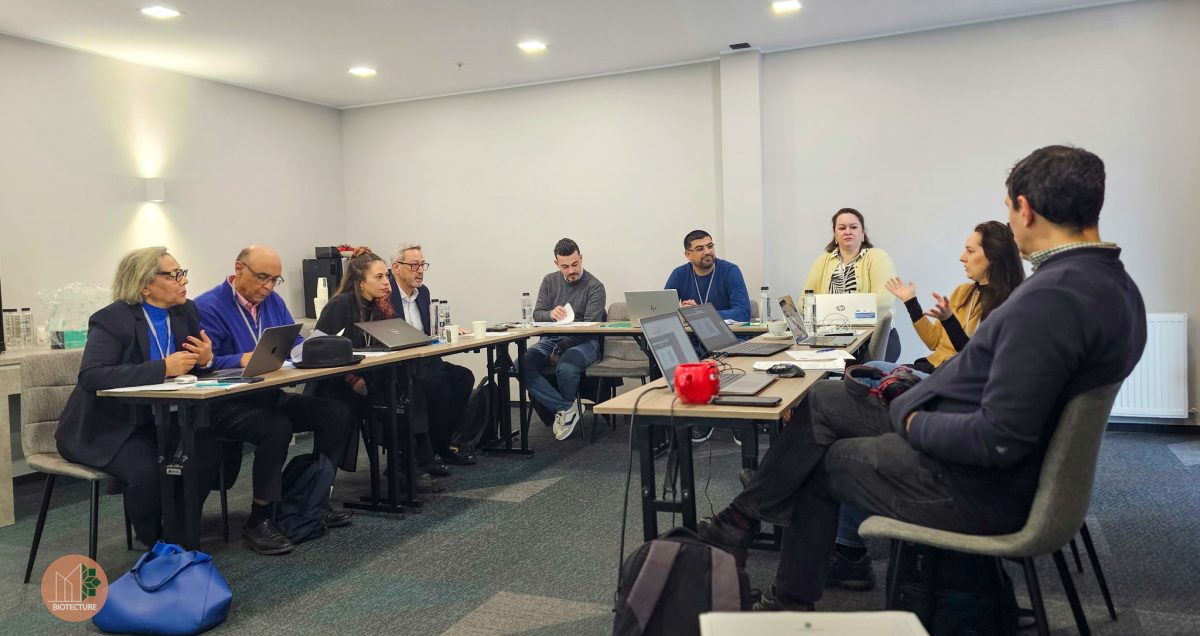
A Strategic Kick-off Meeting in Bucharest
On 5–6 February 2026, the partners of the BIOTECTURE project’s consortium gathered in Bucharest for the official launch of this ambitious initiative, funded by the European Union under the Erasmus+ Capacity Building in VET programme. This meeting marks the beginning of our strategic project aimed at transforming vocational education in Morocco by integrating bioclimatic architecture and sustainable construction principles.
The project brings together organisations from Romania, Luxembourg, Greece, and Morocco, combining expertise in VET, sustainable construction, digital tools, and environmental policy.
A National Context Shaped by Climate Urgency
The launch of BIOTECTURE comes at a crucial moment for Morocco, where the building sector plays a central role in the ecological transition. Buildings account for around 33% of the country’s final energy consumption, making it one of the most energy-intensive sectors. This high consumption is driven by cooling, lighting, and hot water needs, in a context of rising temperatures.
Climate projections indicate an average temperature increase of +2 to +4°C by 2050, with longer and more frequent heatwaves. In several regions, summer temperatures already exceed 45°C, increasing the demand for cooling and putting pressure on the national electricity grid. Bioclimatic architecture is therefore essential to reduce energy dependency and improve thermal comfort.
The building sector also generates around 25% of Morocco’s energy-related CO₂ emissions. Transitioning to local, natural, low-carbon materials — such as rammed earth, stone, lime, or wood — would significantly reduce emissions while preserving traditional Moroccan know-how.
More than 65% of Morocco’s population now lives in urban areas, a figure expected to reach 75% by 2040. Each year, approximately 150,000 new housing units are built to meet growing demand. Without bioclimatic standards, this expansion risks intensifying urban heat islands, energy consumption, and pressure on natural resources.