
Official Launch of the BIOTECTURE Project:A Key Step Toward Sustainable Construction in Morocco
May 12, 2026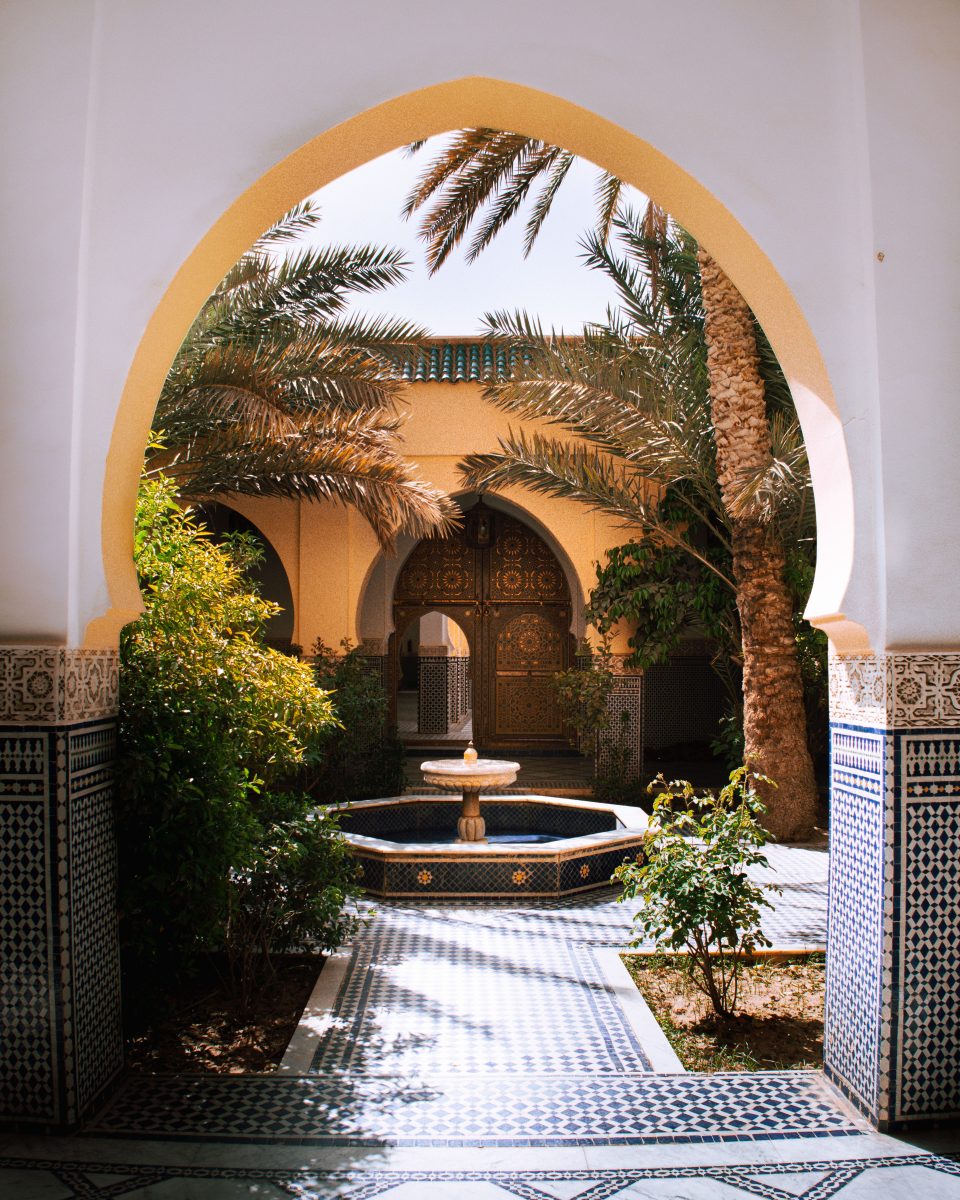
Across Morocco, cities are experiencing increasingly intense heat due to a phenomenon known as the urban heat island effect. This occurs when dense urban areas absorb and retain heat because of concrete surfaces, limited vegetation, and high building density. As a result, temperatures in city centers can be 3 to 7°C higher than in surrounding rural areas, especially during summer peaks.
In cities such as Marrakech, Fès, Casablanca, and Agadir, this effect is becoming more pronounced. Heatwaves now regularly push temperatures above 45°C, creating discomfort for residents, increasing energy demand for cooling, and putting pressure on public health and infrastructure.
Why Morocco Is Particularly Vulnerable
Several factors amplify the urban heat island effect in Moroccan cities:
- Rapid urbanization has led to dense construction with limited green spaces.
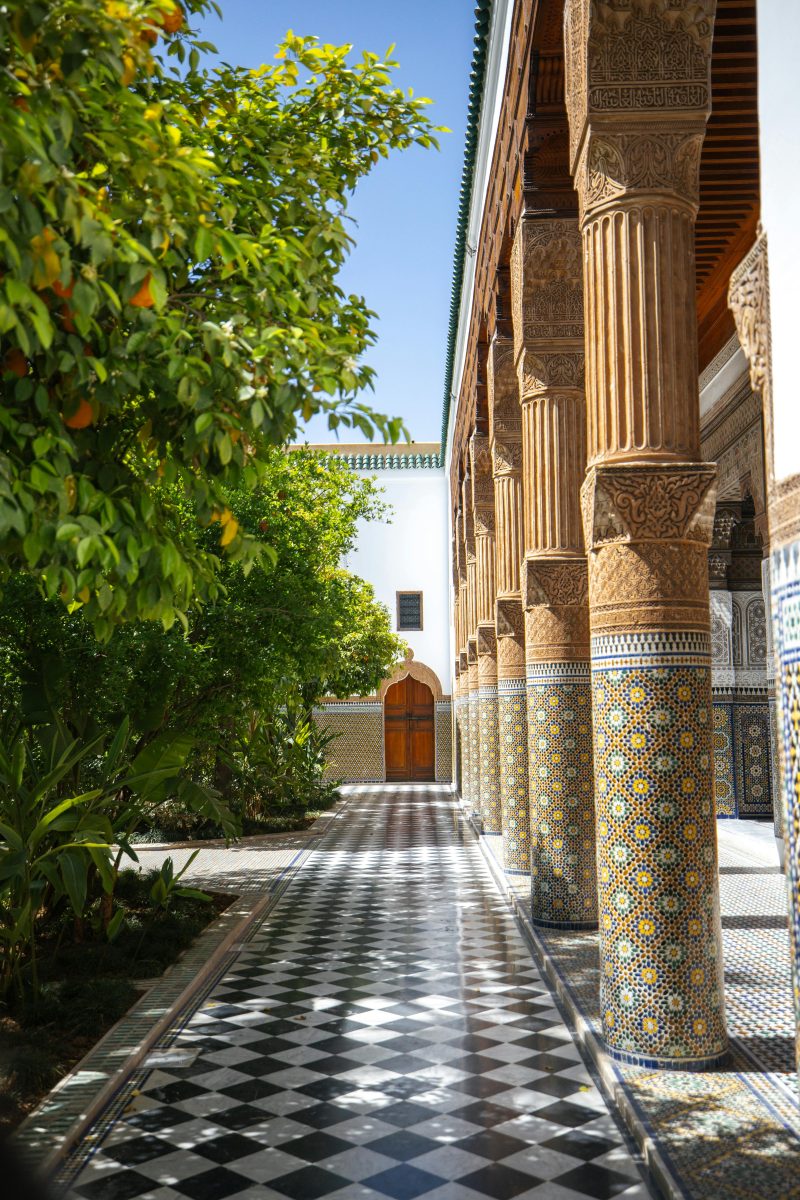
- Traditional cooling strategies—such as shaded courtyards, natural ventilation, and thick walls—have been replaced by modern materials that trap heat.
- Climate change is intensifying heatwaves and extending warm seasons.
- Energy consumption for cooling is rising sharply, increasing household costs and straining the national grid.
These challenges highlight the urgent need for new approaches to urban planning and building design.
Bioclimatic Architecture: A Natural Solution
Bioclimatic design offers a powerful response to the urban heat island effect. By working with the climate rather than against it, this approach reduces heat accumulation, improves comfort, and lowers energy consumption.
Key bioclimatic strategies include:
- Optimizing building orientation to reduce solar exposure.
- Using natural ventilation to cool indoor spaces without mechanical systems.
- Integrating vegetation through green roofs, shaded patios, and urban trees.
- Choosing materials with high thermal inertia, such as earth, stone, or lime-based plasters.
- Designing compact urban forms that create shade and reduce heat absorption.
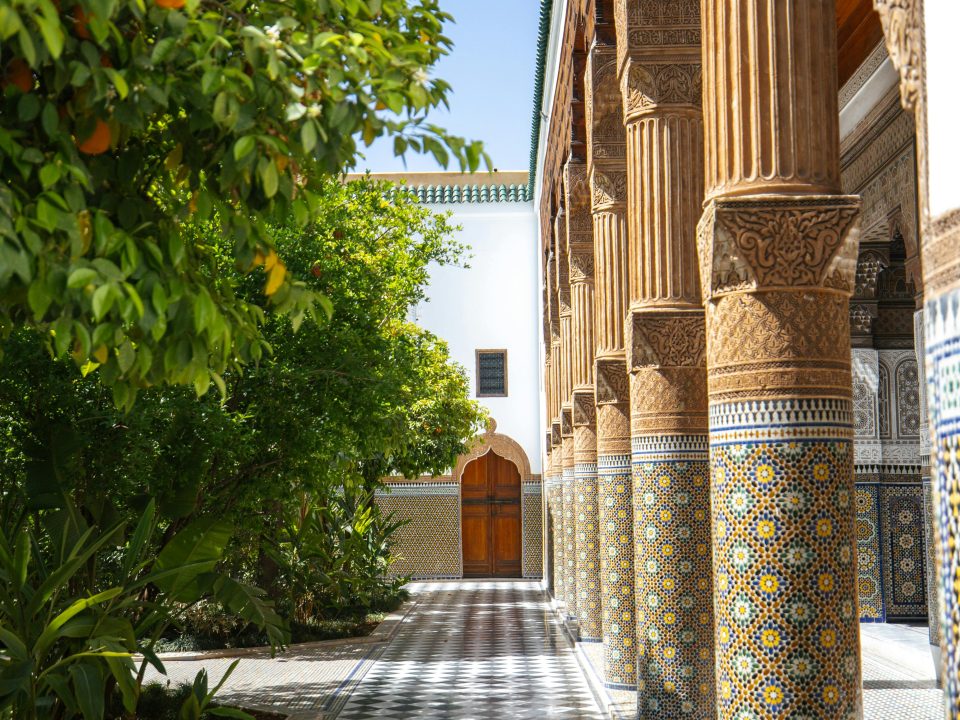
Many of these principles are deeply rooted in traditional Moroccan architecture, which naturally mitigated heat long before modern cooling technologies existed.
The Cost of Inaction
If urban heat islands continue to intensify, Morocco could face:
- higher energy bills for households and businesses,
- increased health risks during heatwaves,
- reduced productivity in workplaces and schools,
- greater pressure on water and electricity systems,
- declining urban livability and comfort.
Integrating bioclimatic design into construction practices is no longer optional—it is essential for sustainable urban development.
How BIOTECTURE Contributes to the Solution
The BIOTECTURE project plays a key role in addressing these challenges by:
- training VET learners and professionals in bioclimatic construction techniques,
- developing modern curricula that integrate climate-responsive design,
- promoting the use of local, sustainable materials,
- raising awareness about the importance of climate-adapted architecture,
- supporting the creation of cooler, more resilient cities across Morocco.
By equipping the next generation of builders, technicians, and designers with the right skills, BIOTECTURE helps ensure that future urban development is better adapted to Morocco’s climate realities.
Toward Cooler, More Resilient Moroccan Cities
As temperatures continue to rise, the need for climate‑responsive design becomes increasingly urgent. Bioclimatic architecture offers a practical, culturally relevant, and sustainable solution to the urban heat island effect. Through its training, research, and capacity‑building activities, BIOTECTURE is helping Morocco move toward cities that are cooler, healthier, and more resilient—and toward a construction sector that is fully aligned with the country’s environmental ambitions.